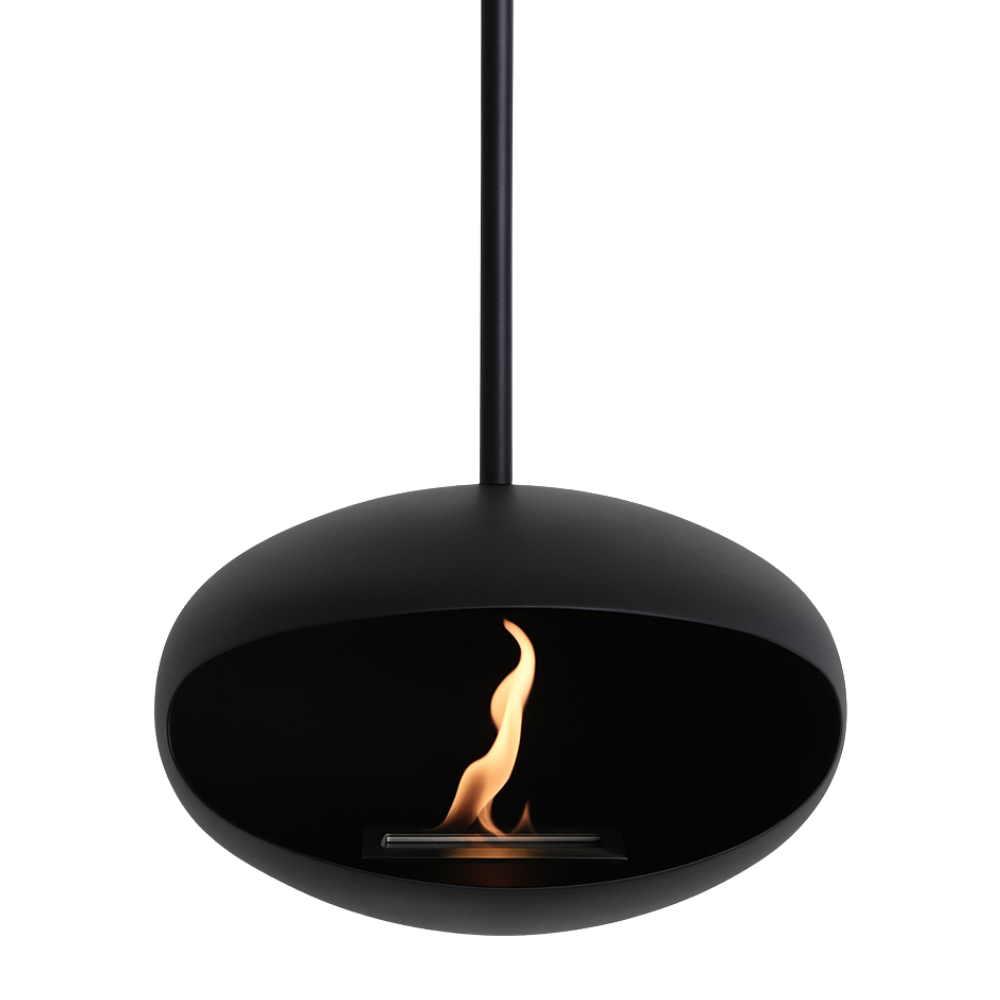
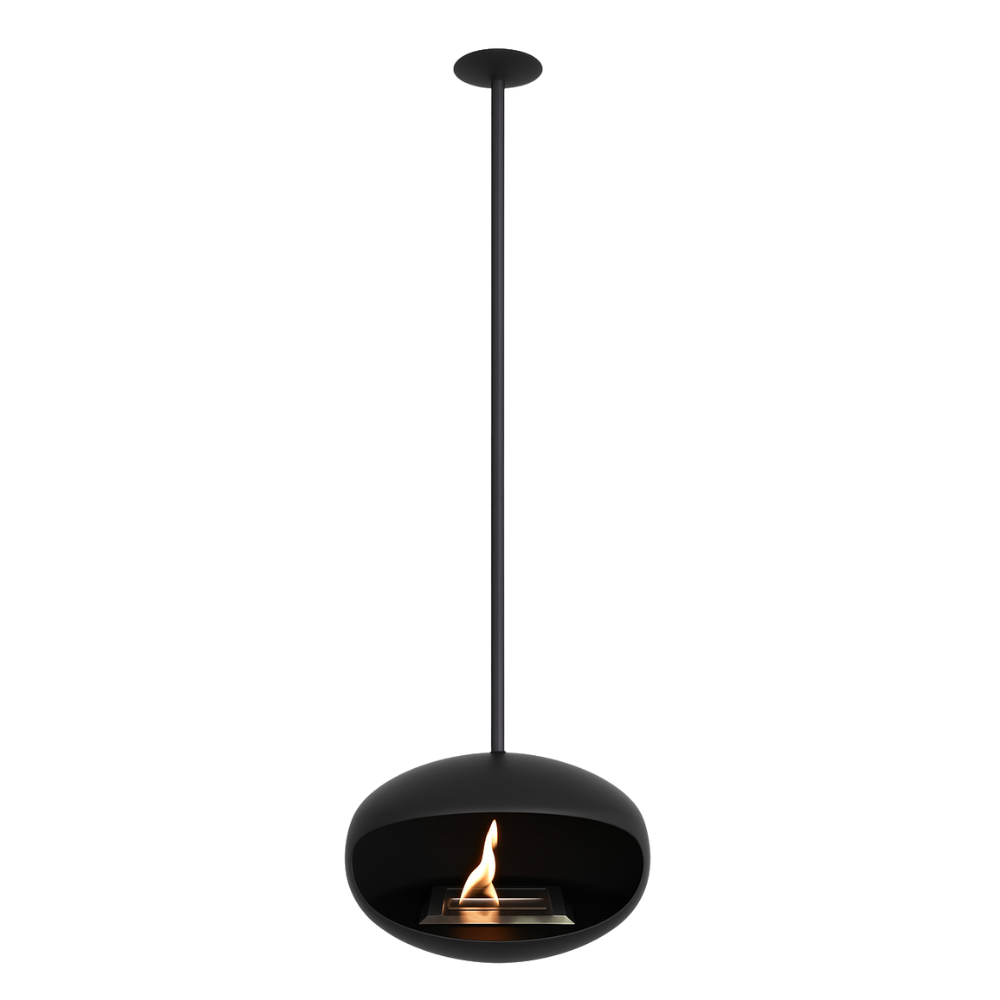
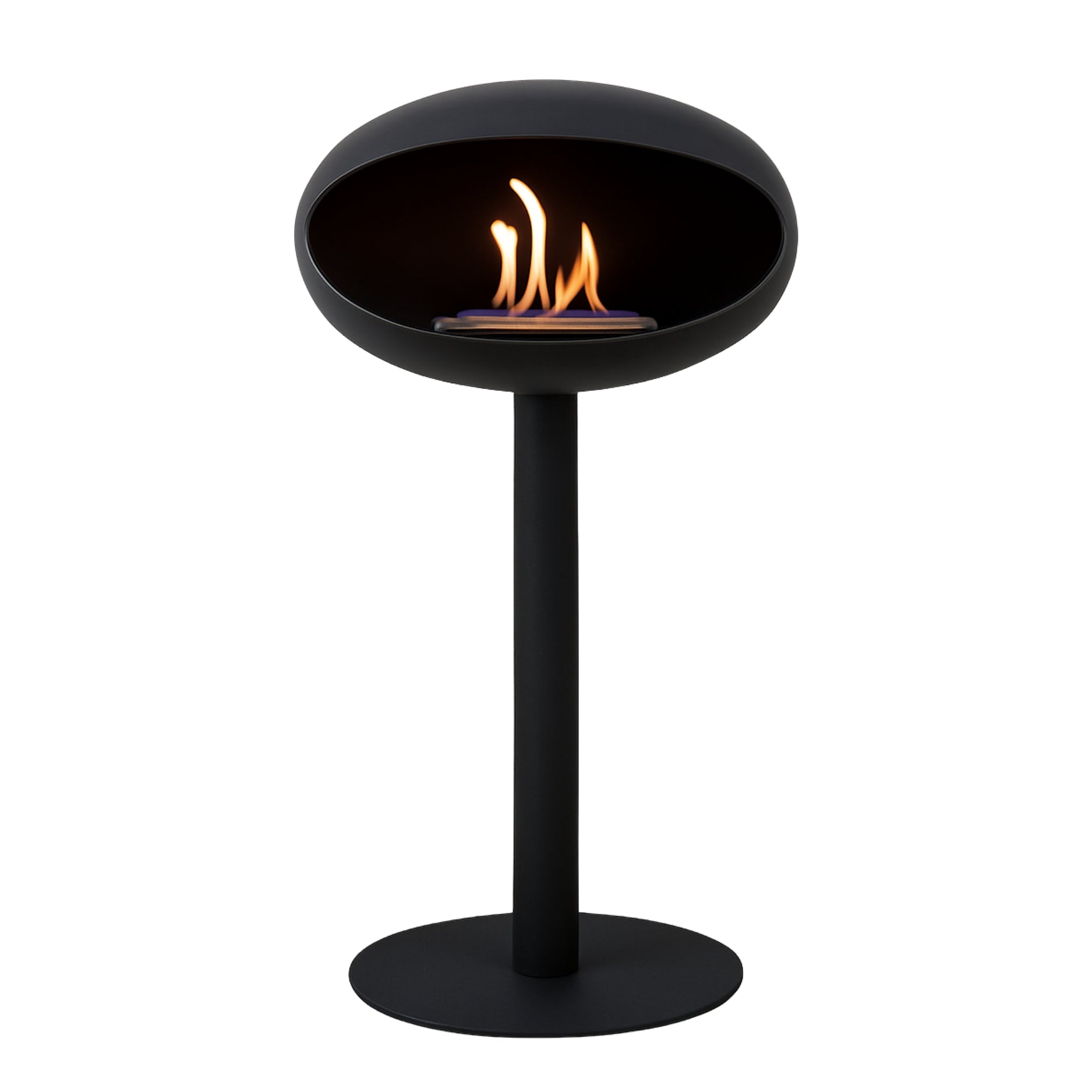
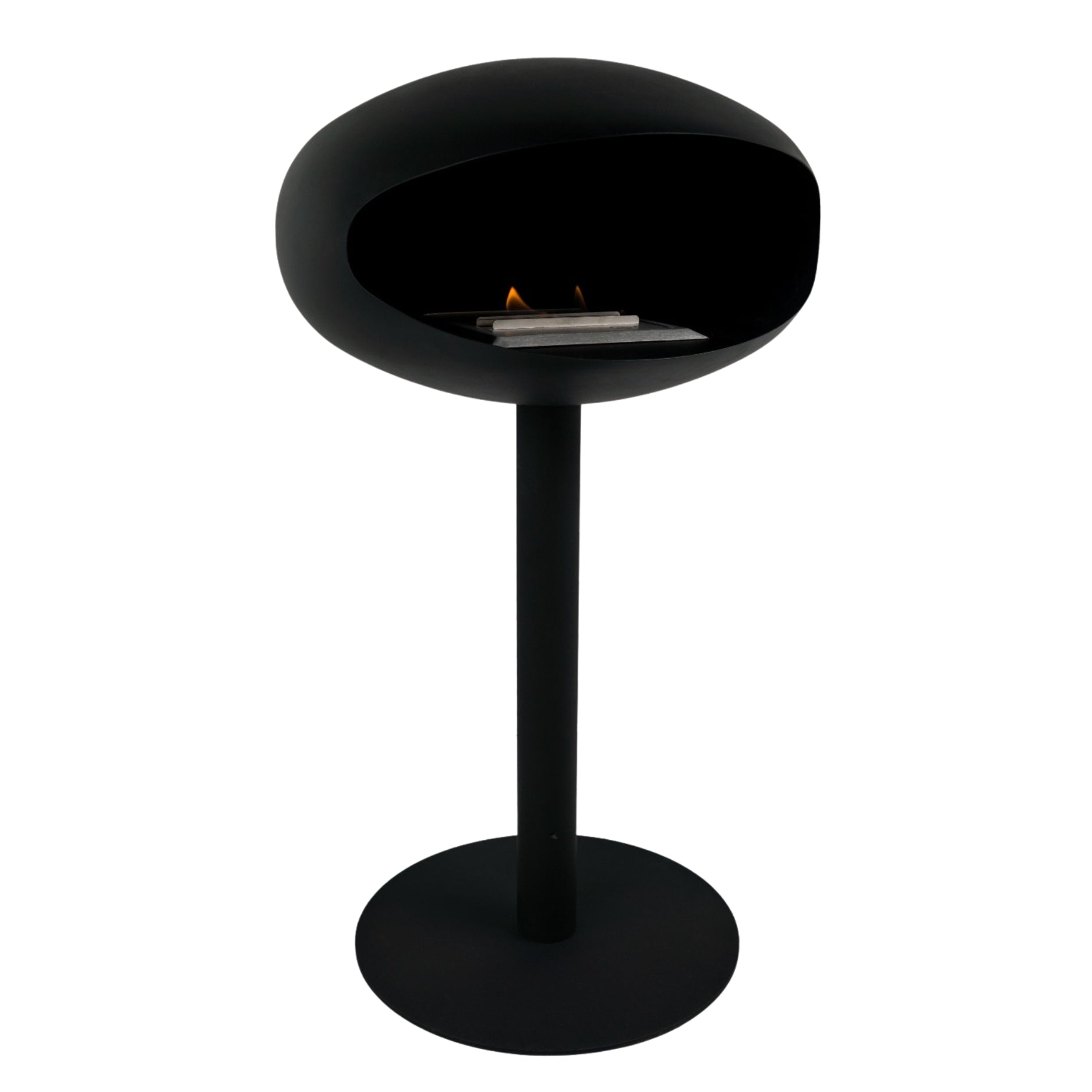
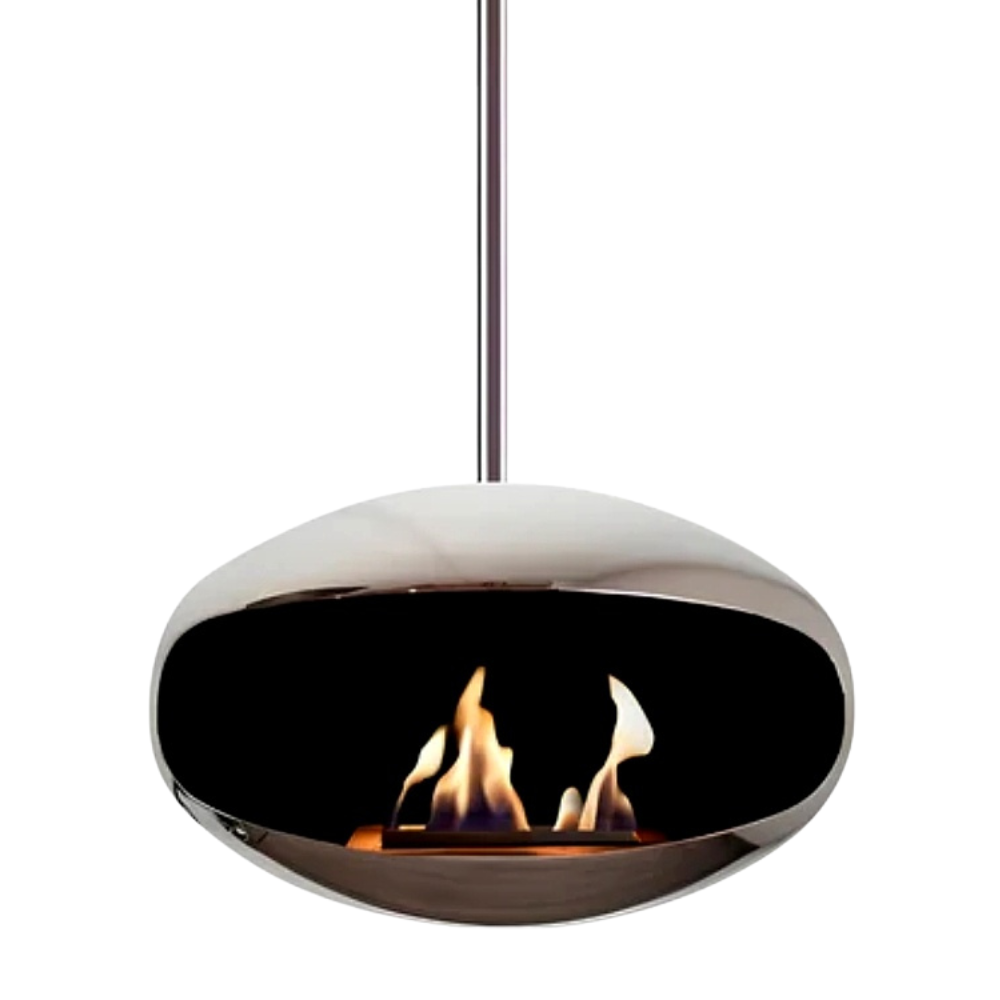
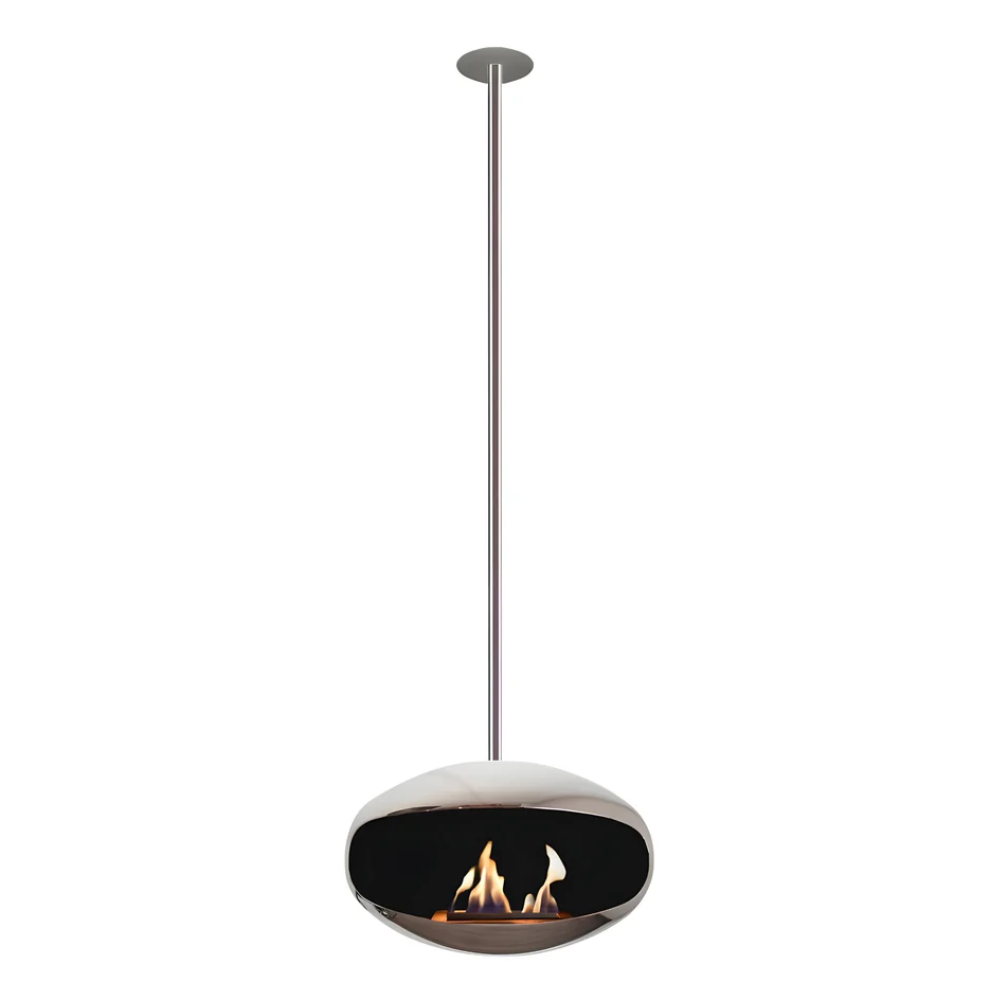
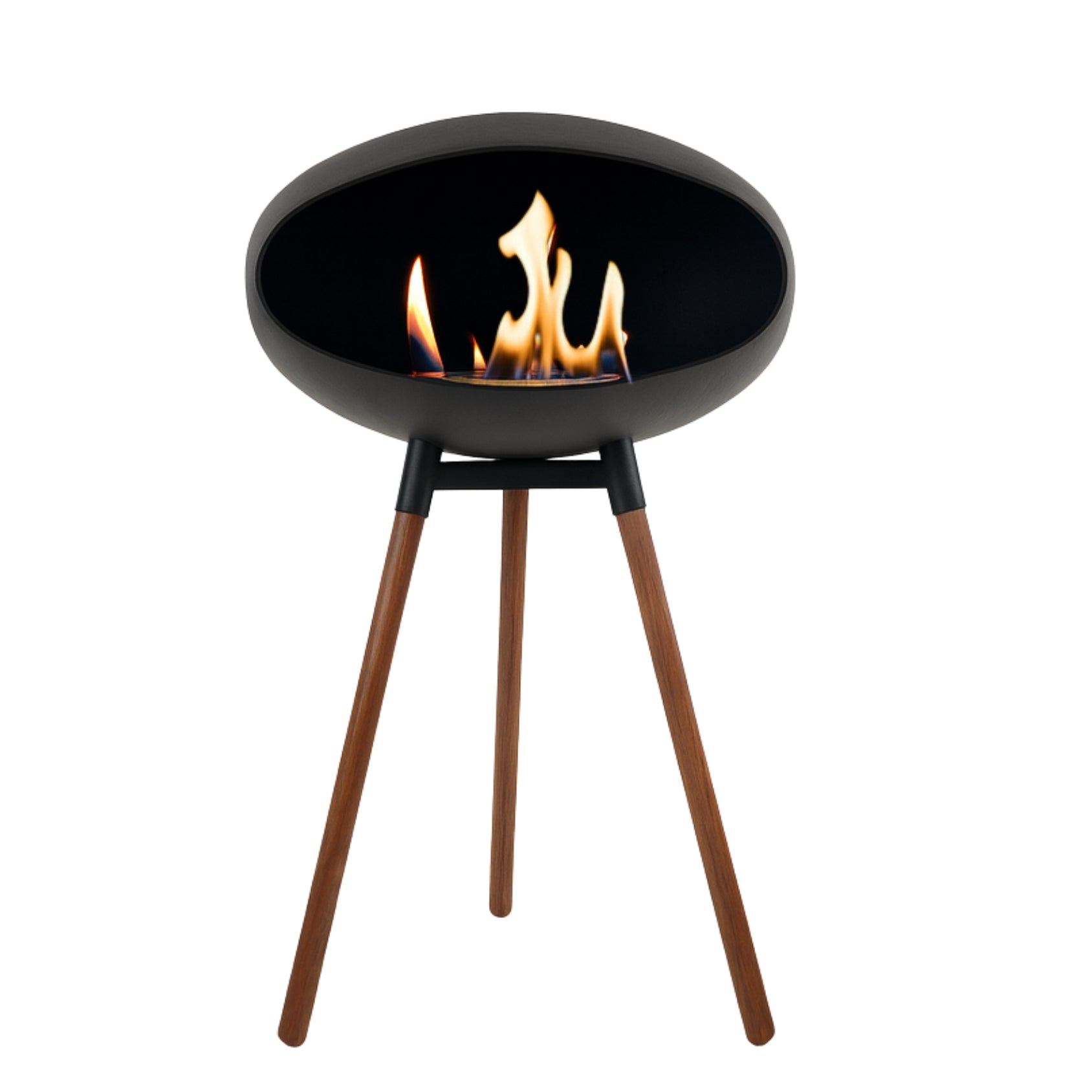
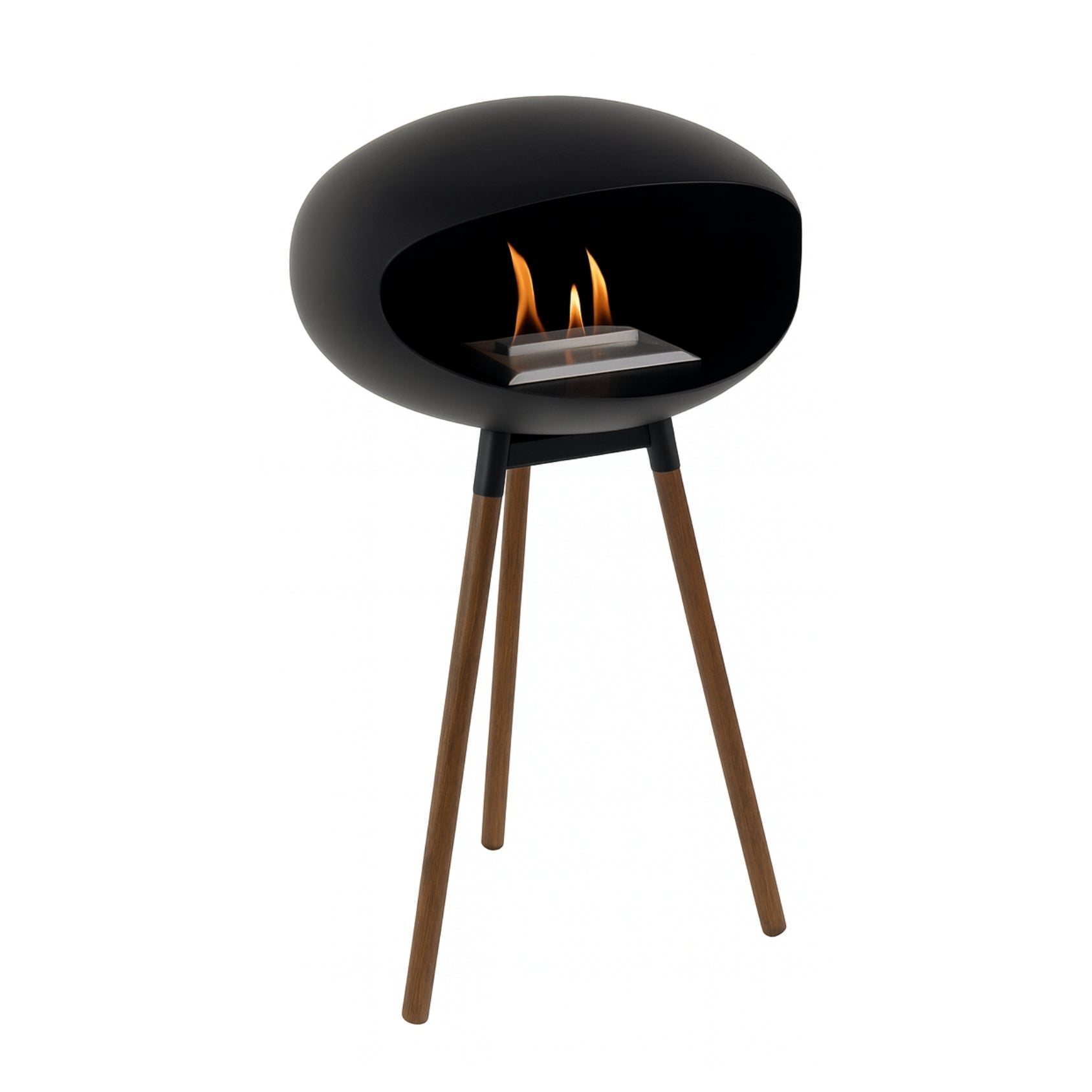
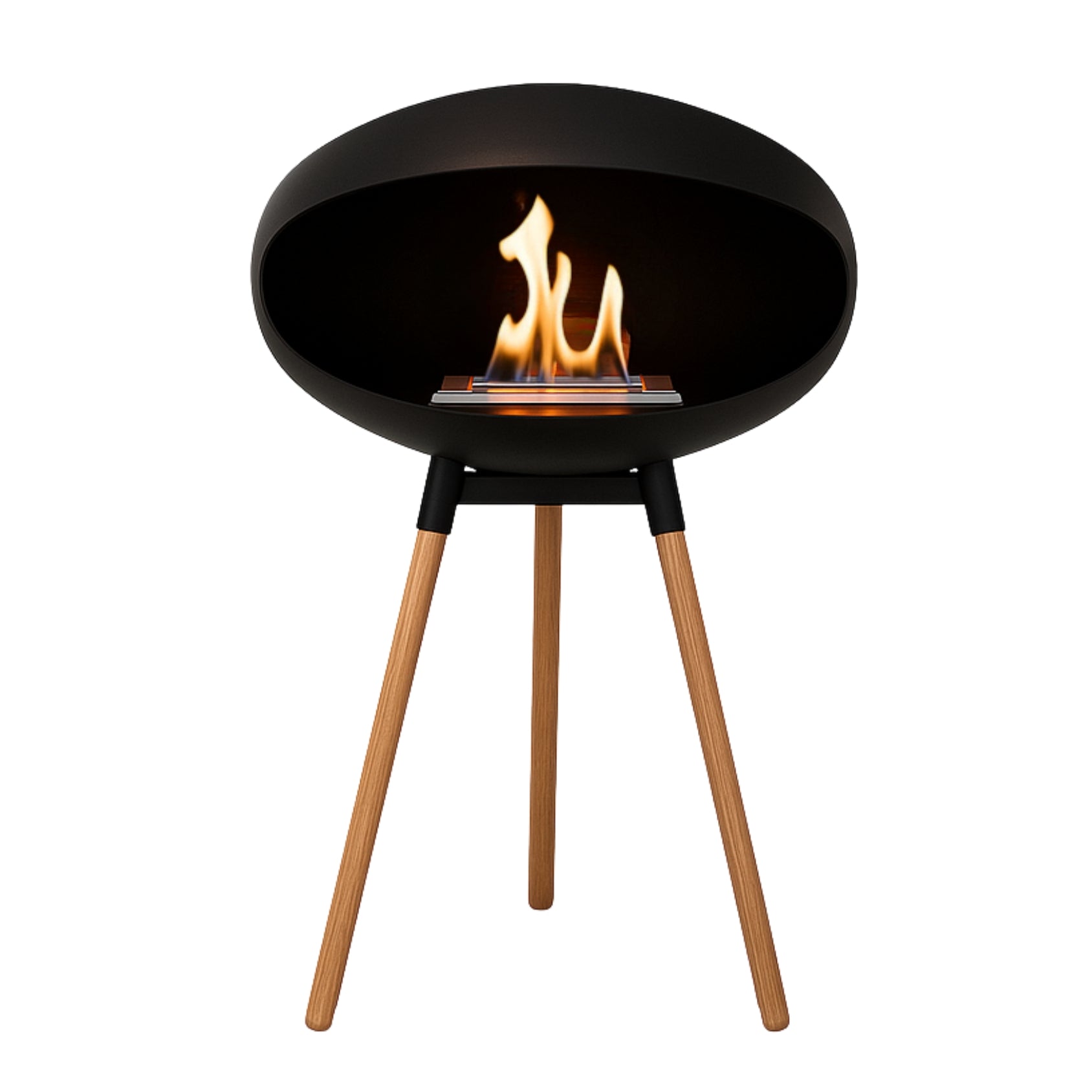
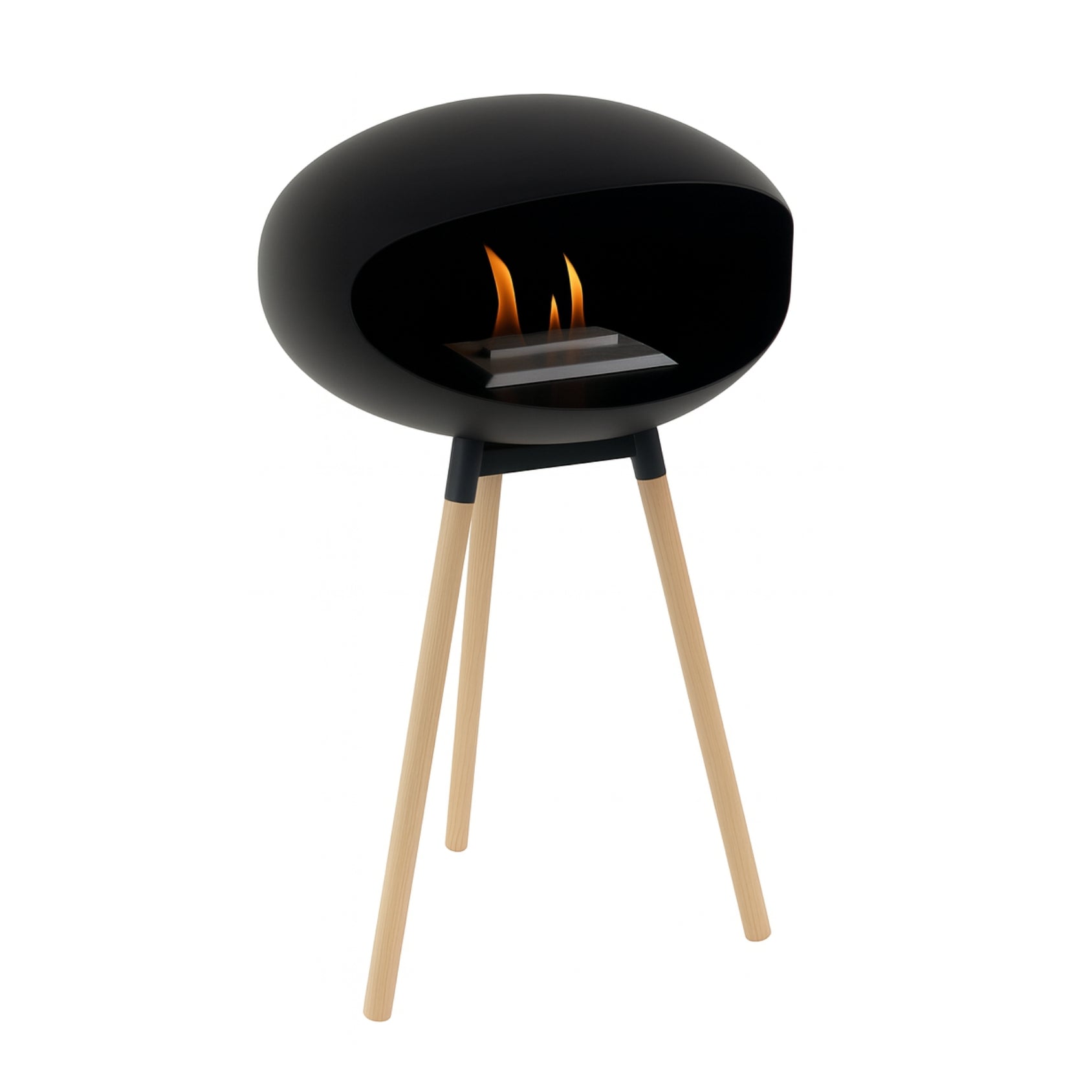
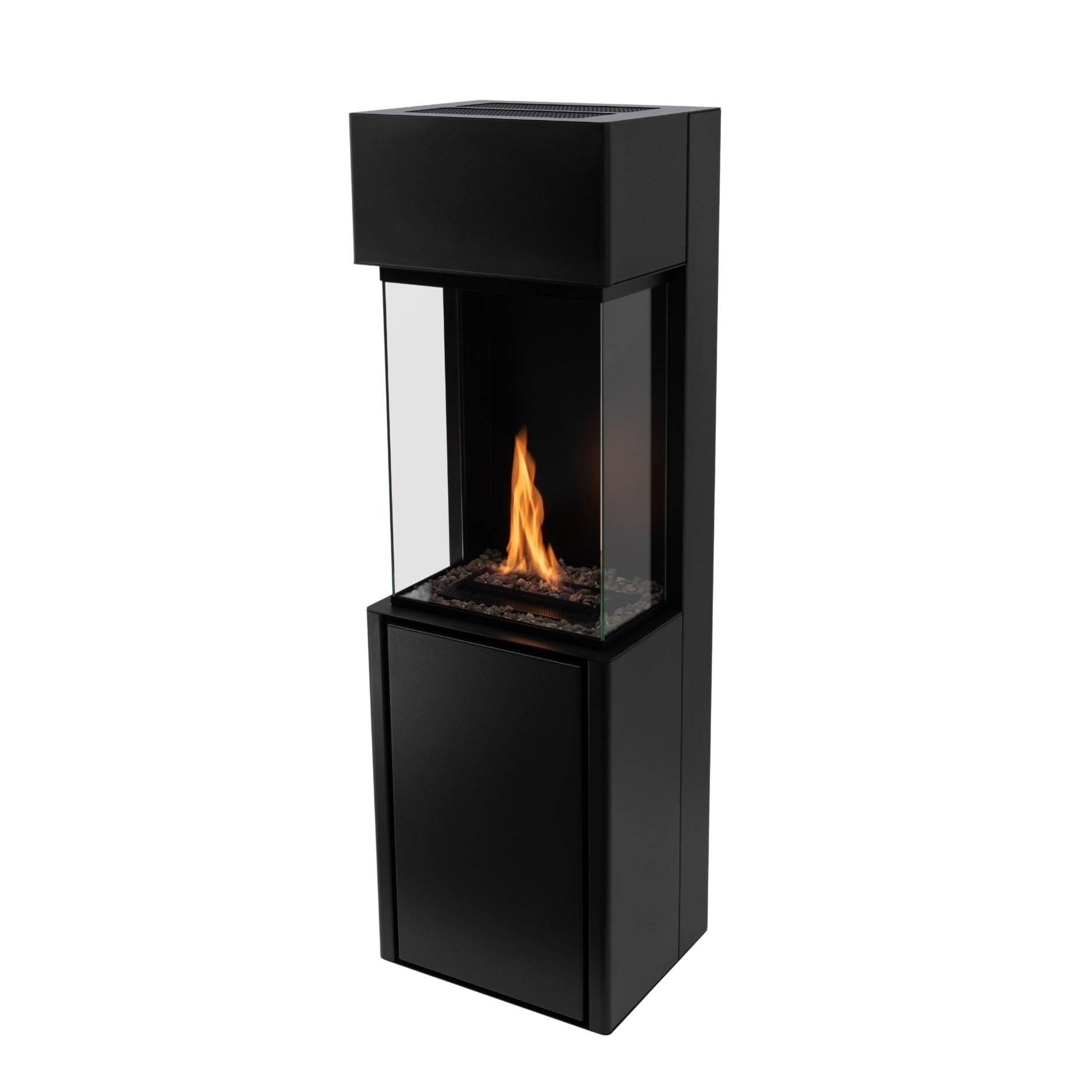
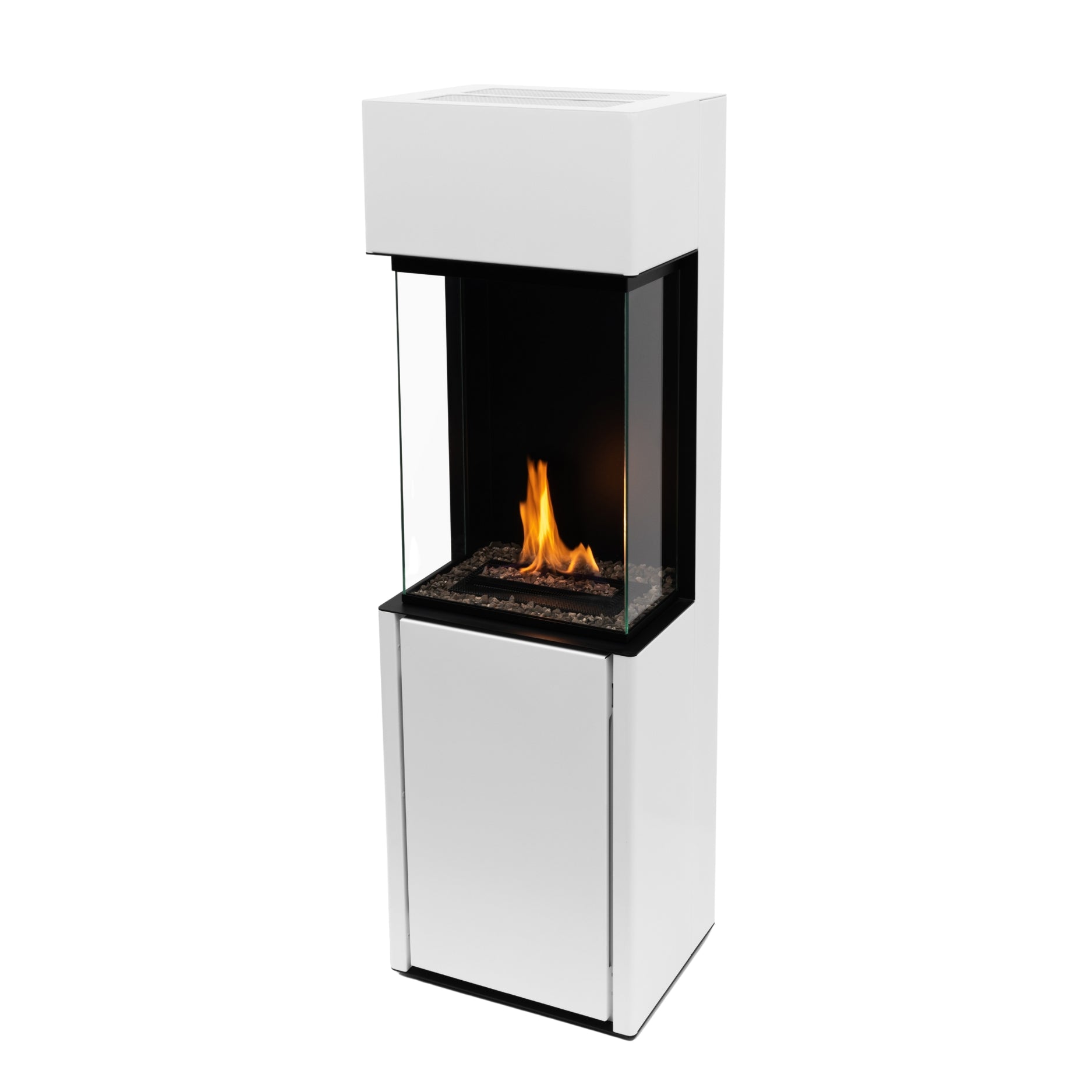
When choosing a bioethanol fireplace, design, size, and use are often considered. However, an important component that is often overlooked is the burner. Yet, the burner largely determines how the fireplace performs. A frequently asked question is: what is the difference between an open and closed bioethanol burner? In this blog, we will explain this clearly, so you can make a better choice.
What is a bioethanol burner?
The burner is the part of the fireplace where the bioethanol is poured and combusted. It is, therefore, literally the "heart" of the fireplace.
There are roughly two types:
- open burners
- closed (or adjustable) burners
The difference mainly lies in control, safety, and ease of use.
What is an open burner?
An open burner is the simplest form. Here, the fuel lies directly in an open reservoir.
Characteristics of an open burner:
- simple operation
- often lower purchase price
- no (or limited) flame control
- directly visible flame
This type is often used in smaller or decorative fireplaces.
What is a closed burner?
A closed burner is equipped with a mechanism that allows you to regulate or extinguish the flame.
Characteristics of a closed burner:
- adjustable flame height
- more control over consumption
- safer to use
- often more durable design
This type of burner is often used in larger and more premium fireplaces.
Key differences
The difference between open and closed burners primarily lies in control and user experience.
In practice, this means:
- open burner → simplicity and direct operation
- closed burner → control and flexibility
Additionally, a closed burner often offers more possibilities to adjust the flame to the situation.
Which burner suits your situation?
The right choice depends on how you want to use the fireplace.
Common guidelines are:
- for occasional use → open burner
- for daily use → closed burner
- for maximum control → closed burner with regulation mechanism
For those who value flexibility and comfort, a closed burner is often the better choice.
What does this mean for the price?
Fireplaces with a closed burner are often slightly more expensive, but they offer more functionality in return.
Consider:
- a longer lifespan
- more efficient fuel consumption
- more control over the flame
This often justifies the price difference well.
Conclusion
The difference between an open and closed bioethanol burner primarily lies in control, safety, and ease of use. While an open burner offers simplicity, a closed burner provides more flexibility and comfort.
Those looking for a fireplace for regular use often choose a closed burner in practice.