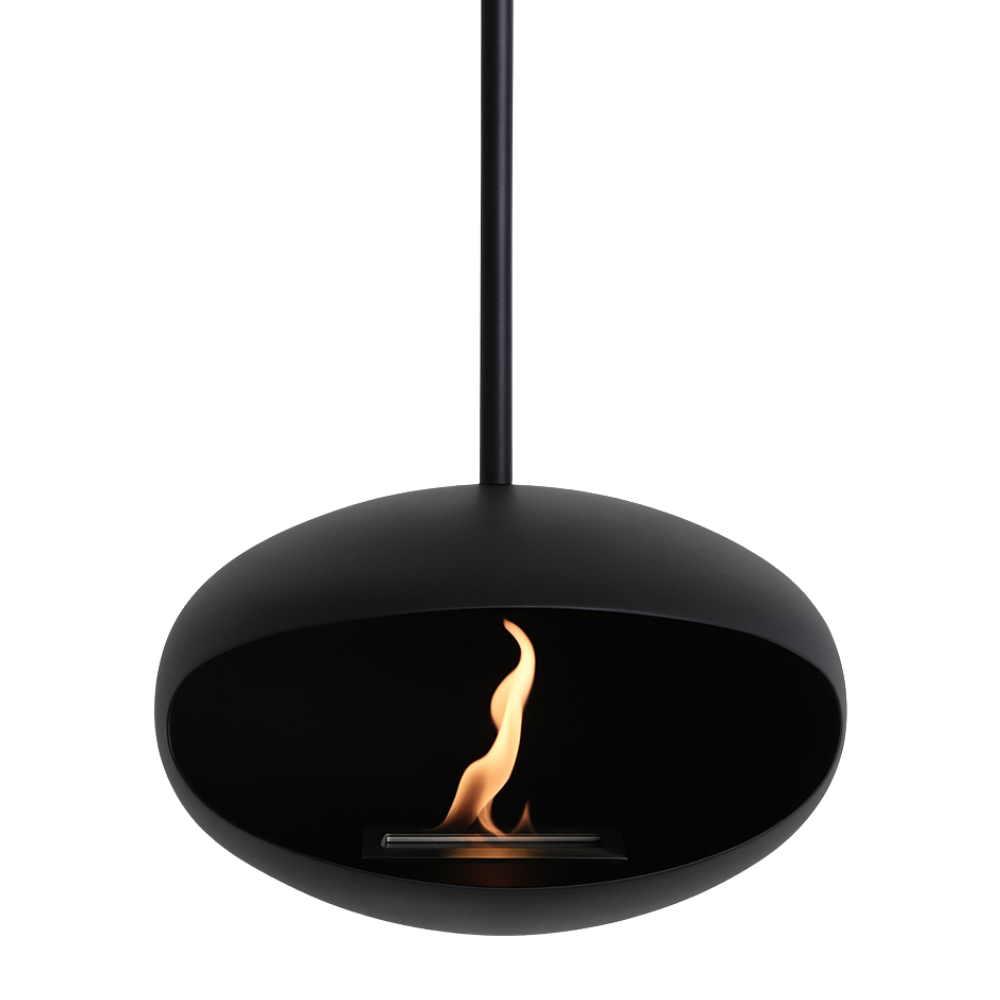
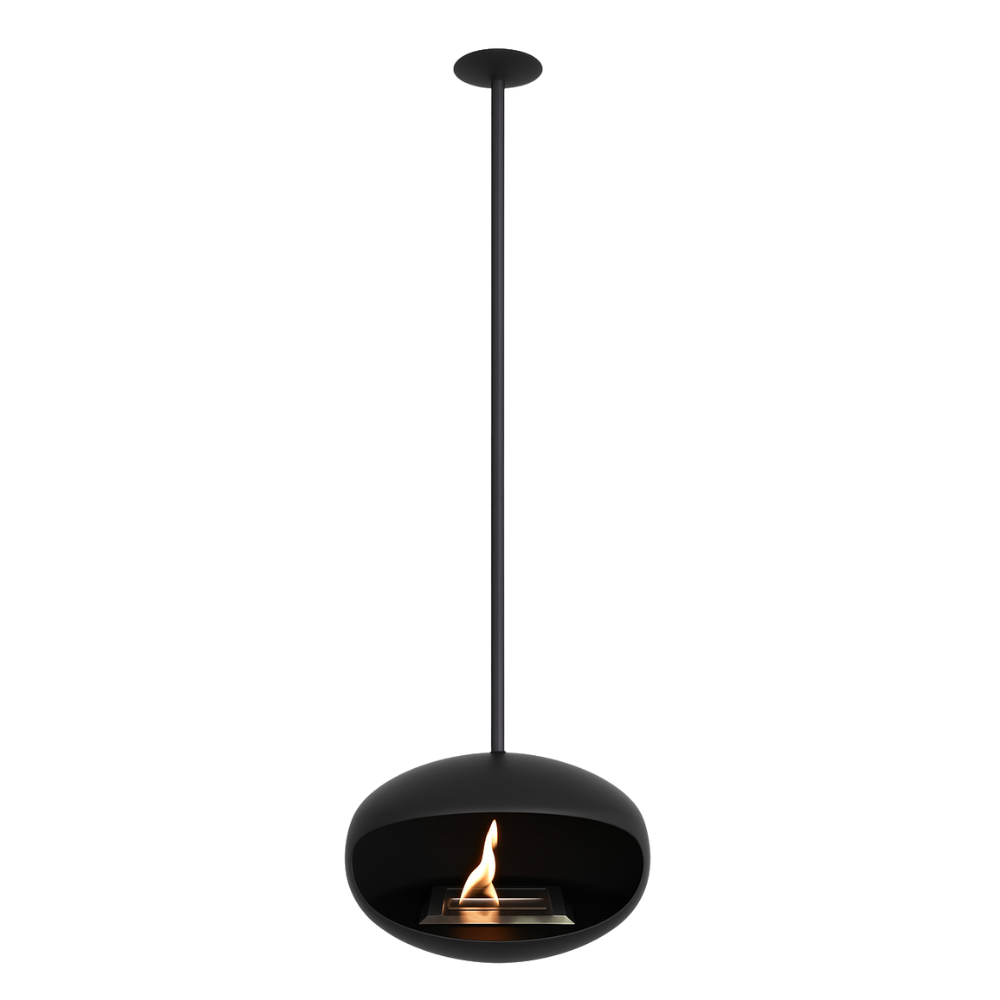
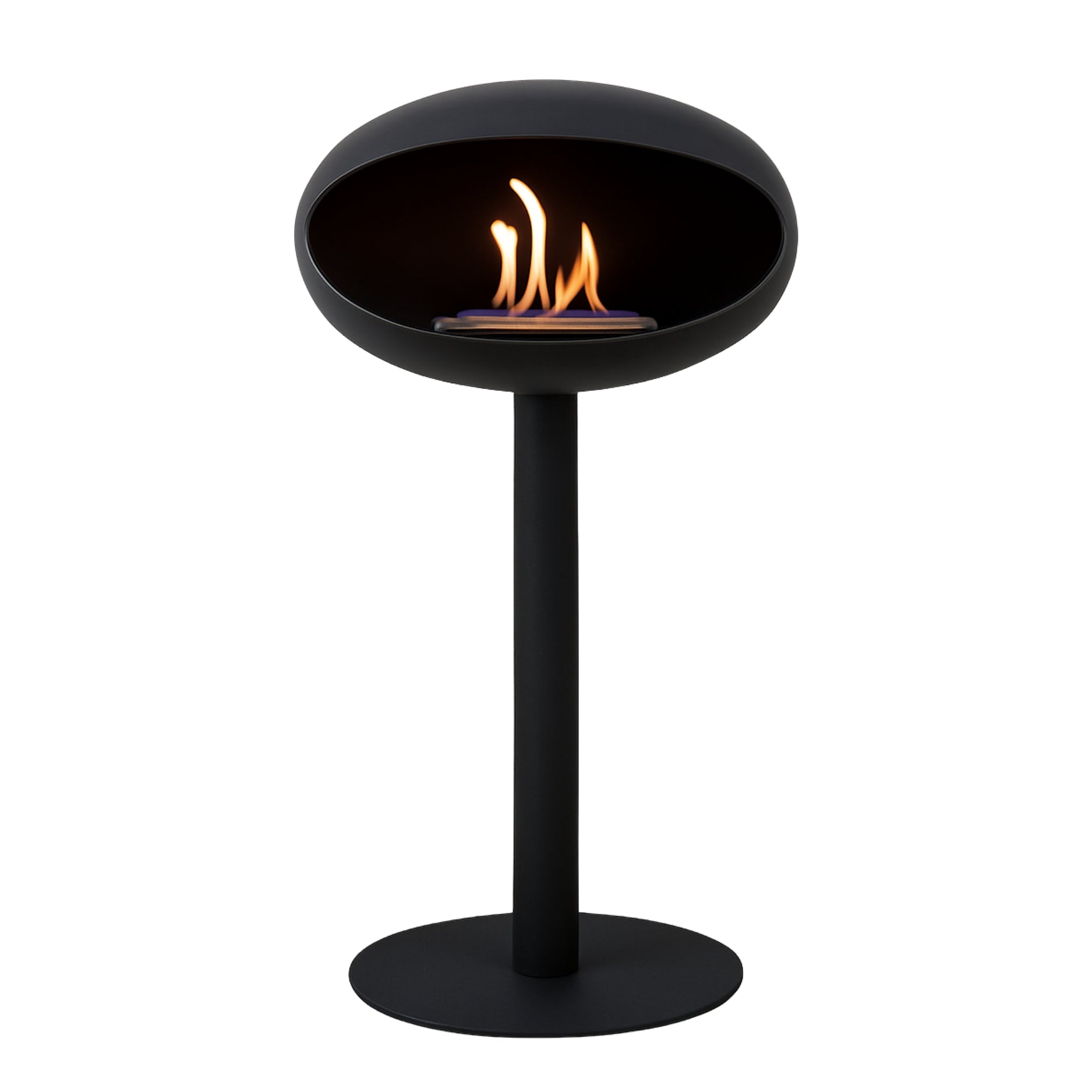
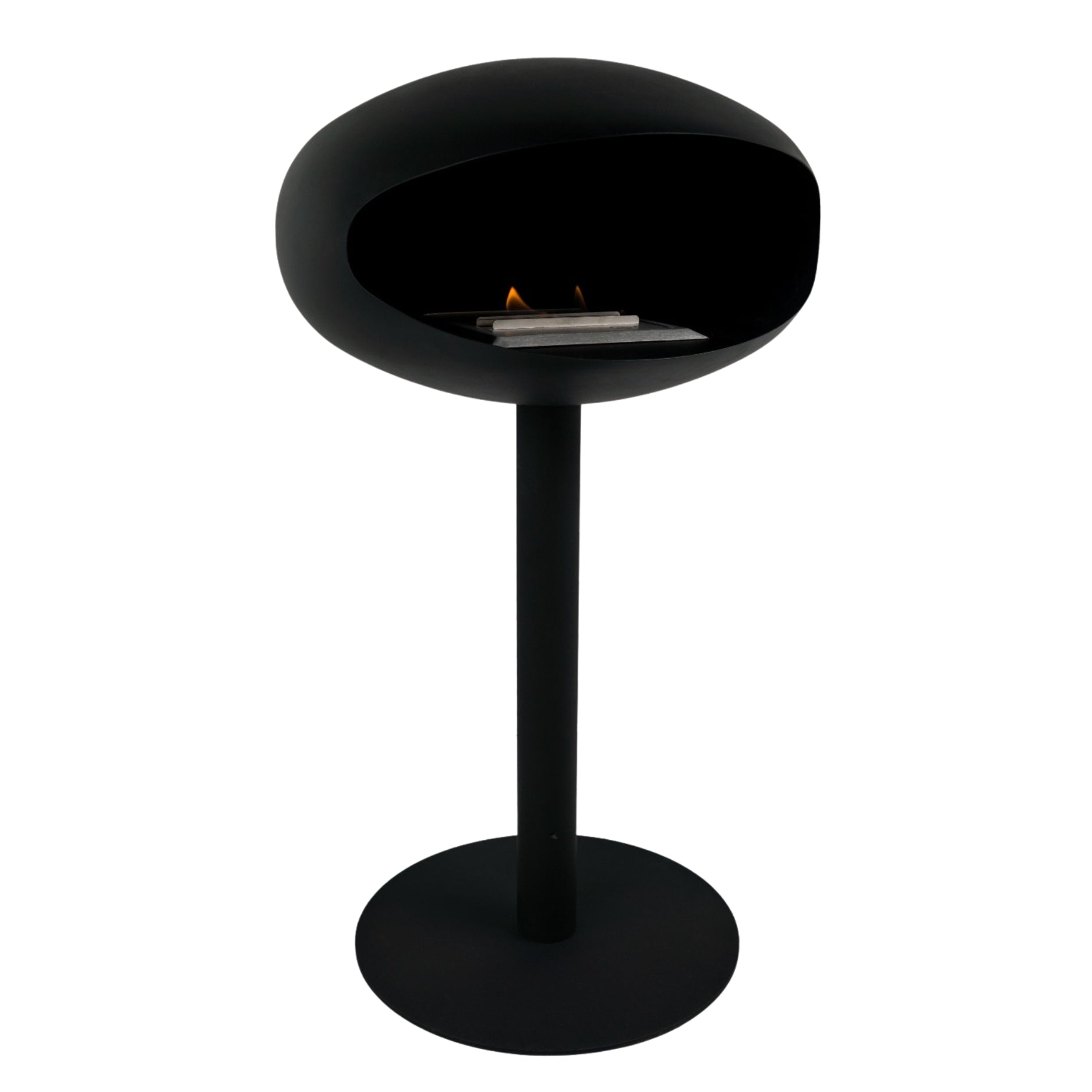
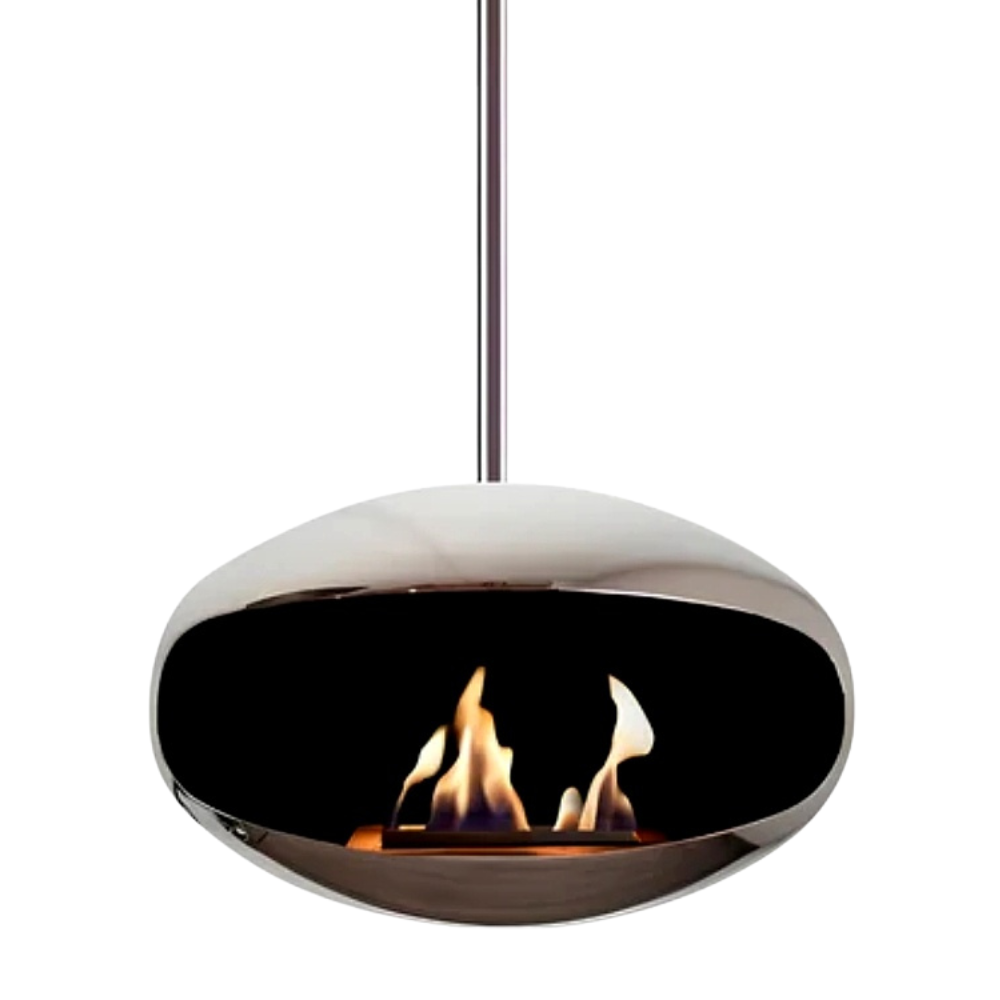
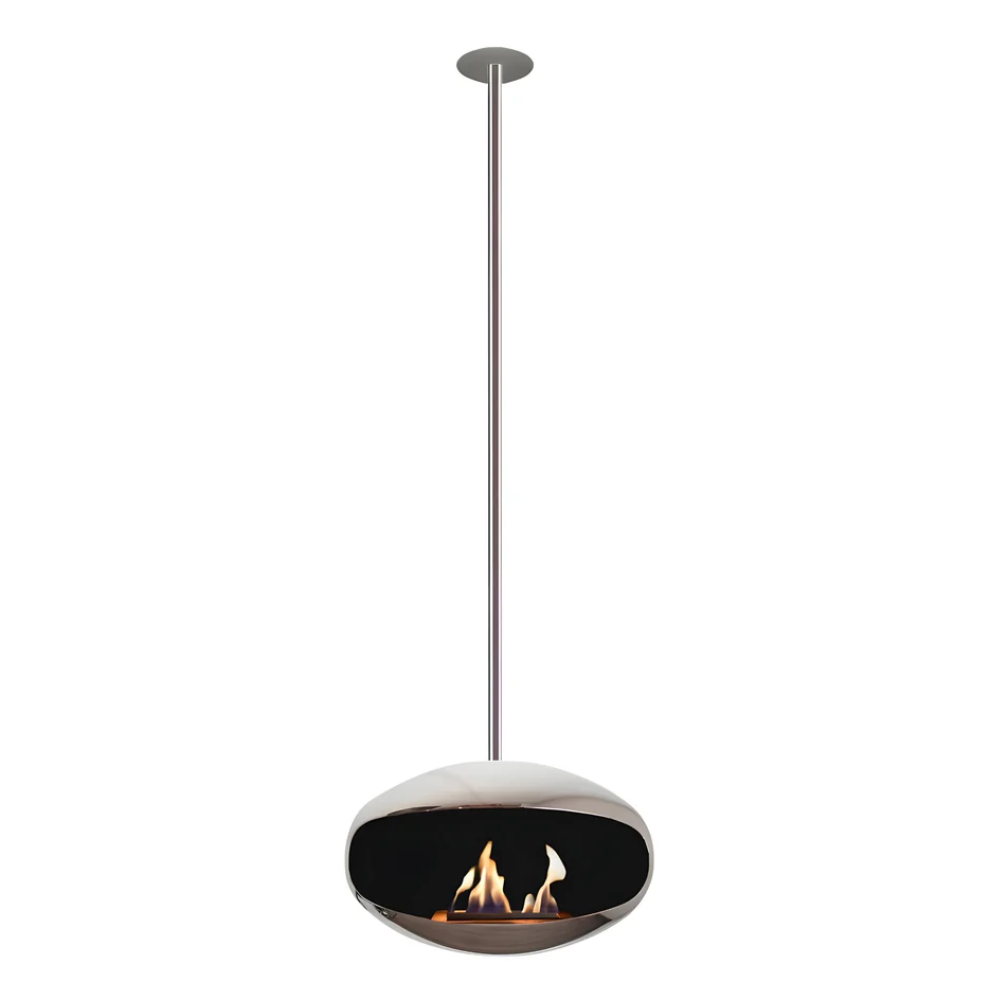
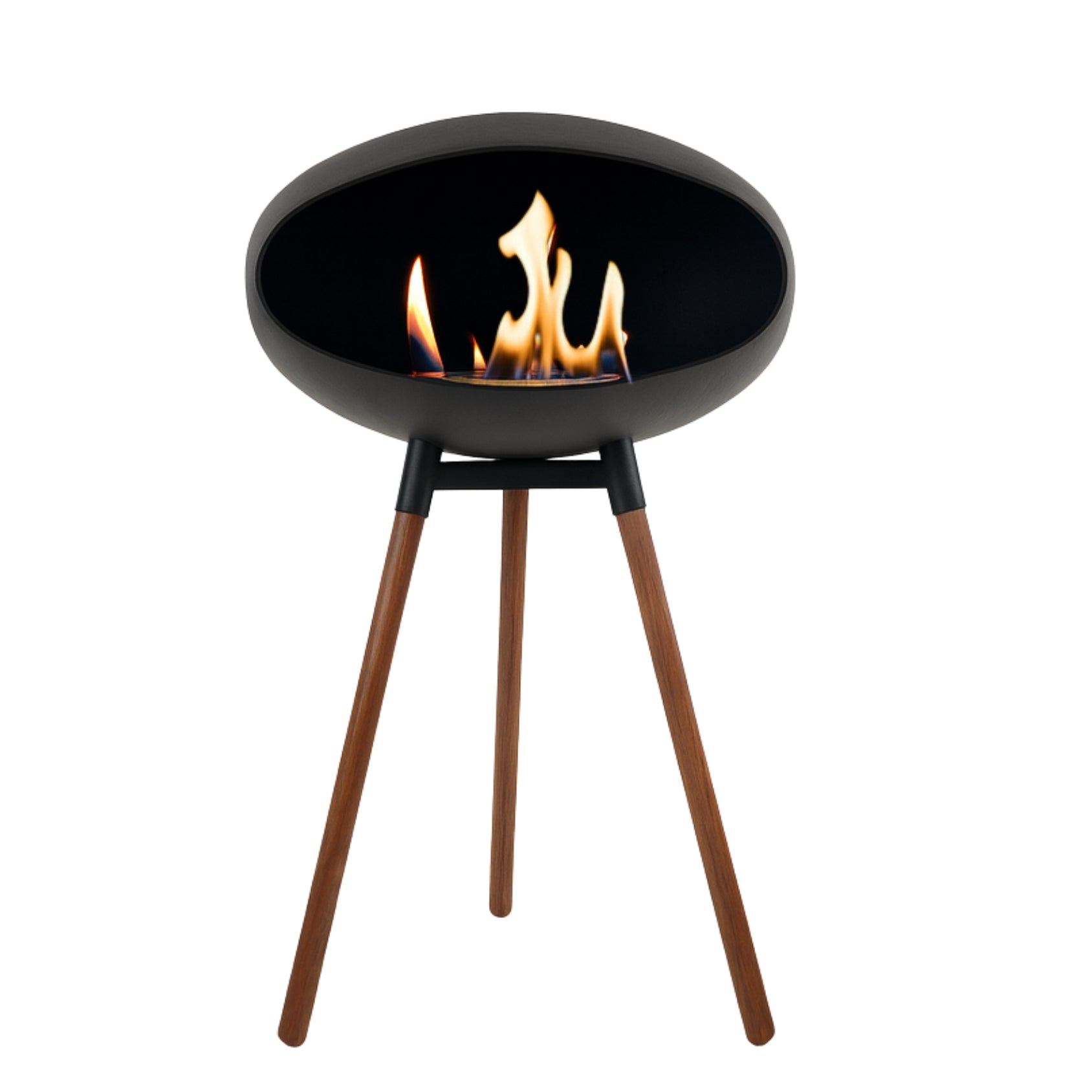
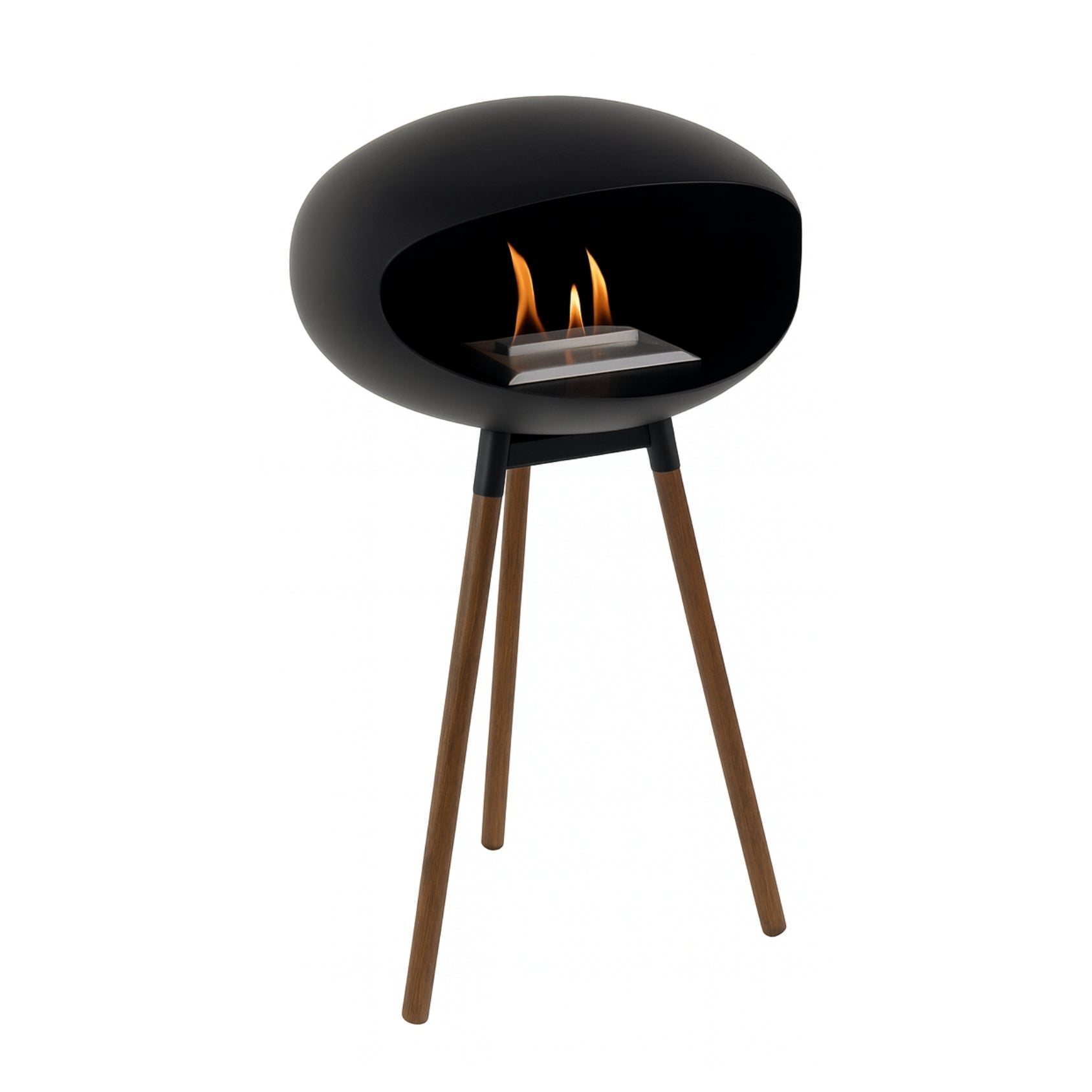
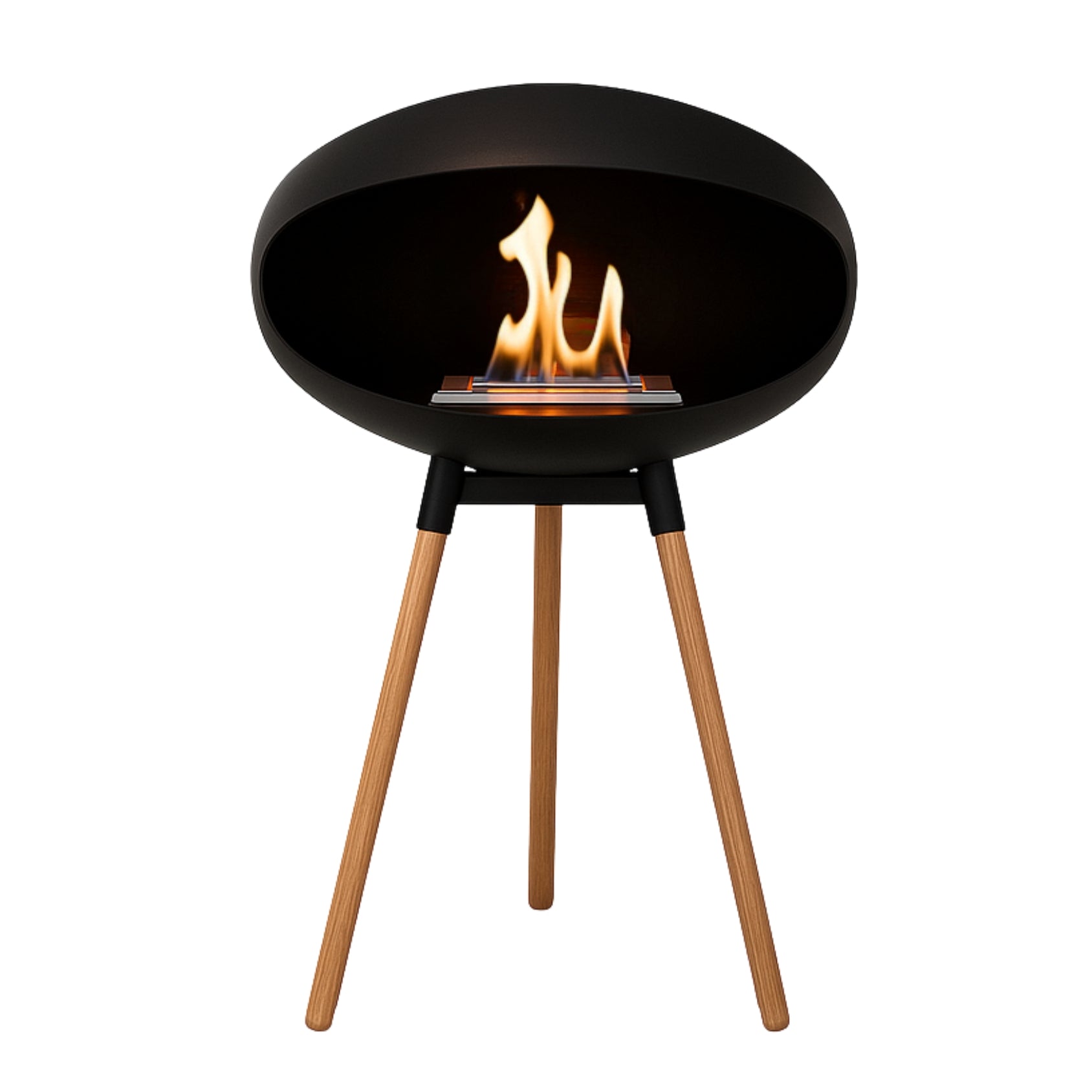
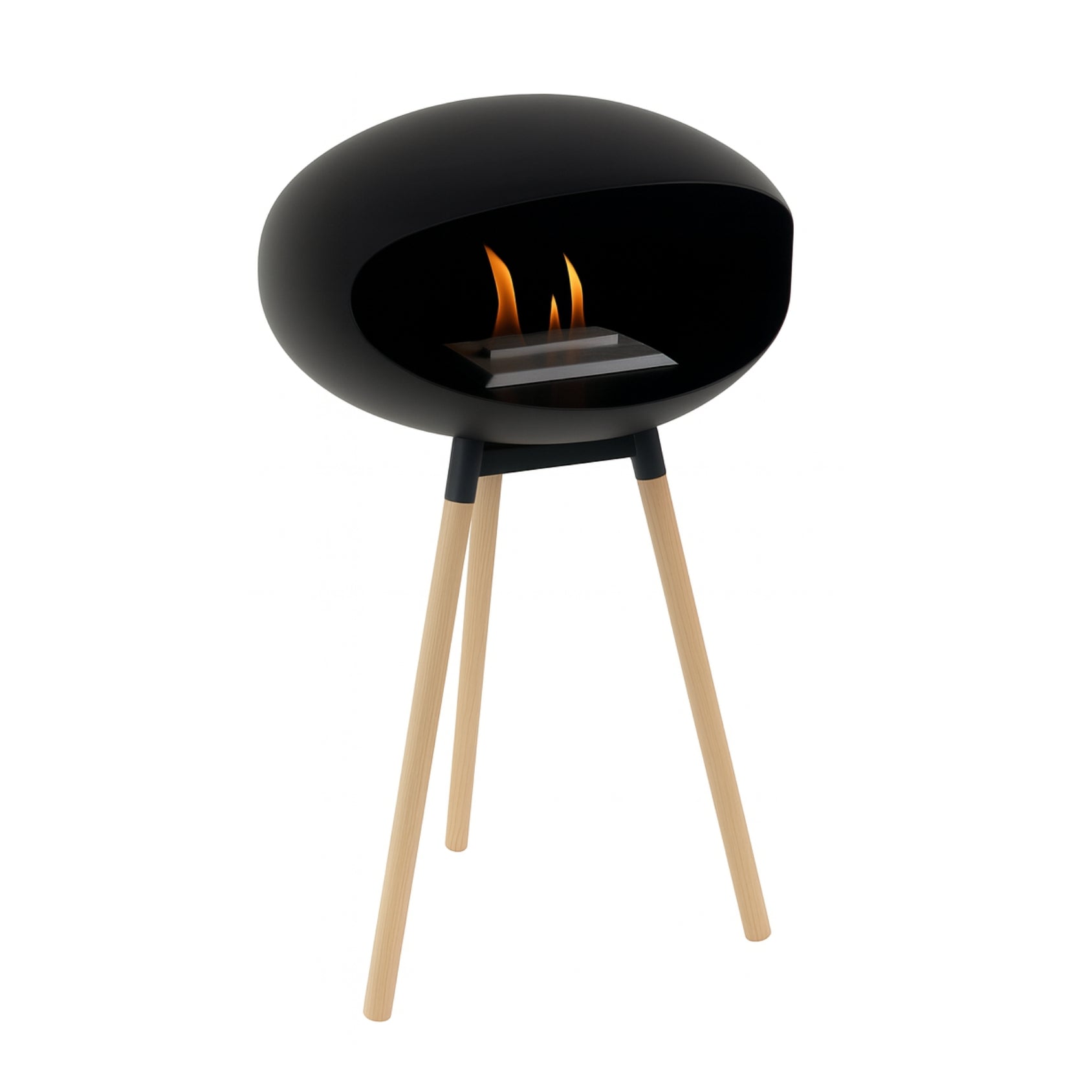
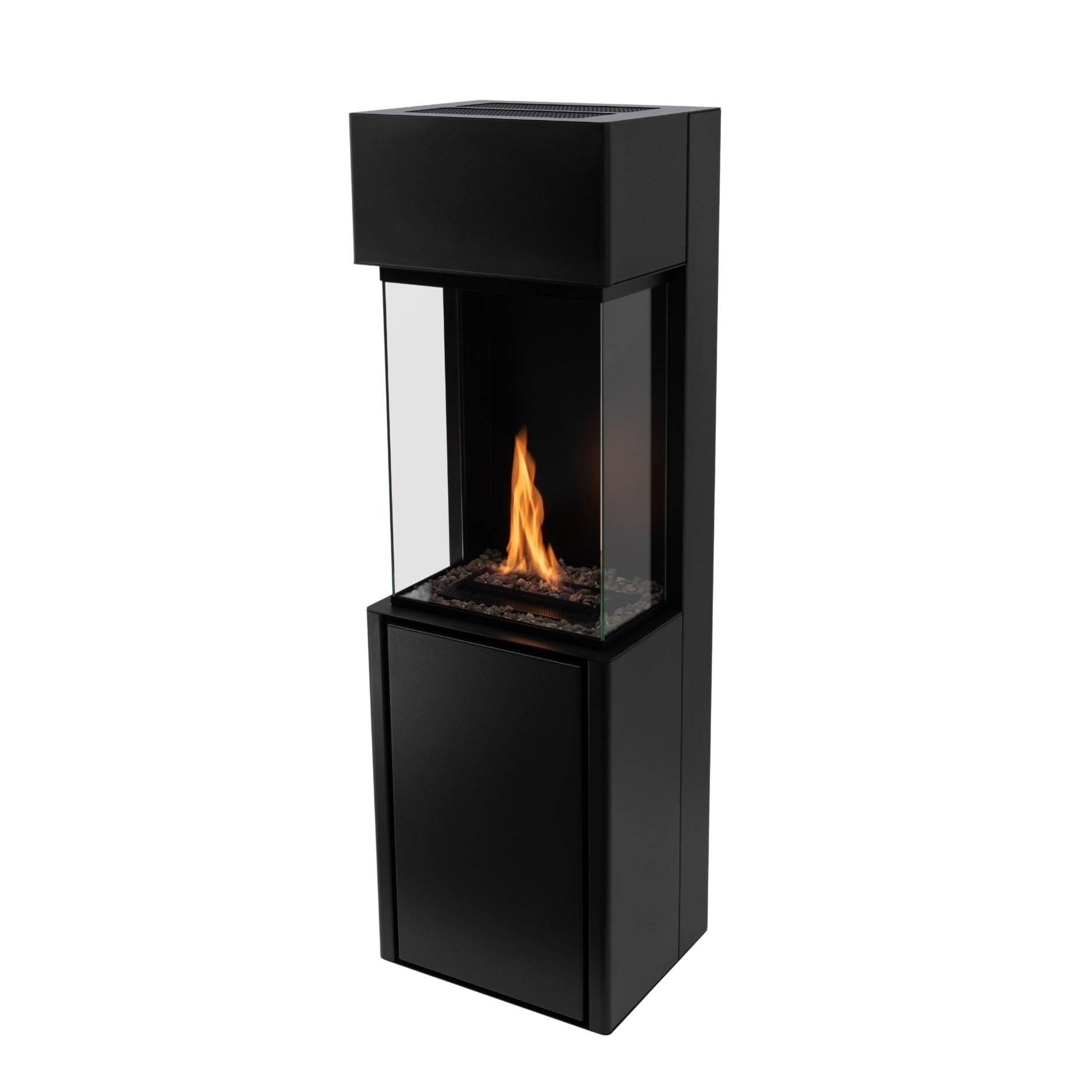
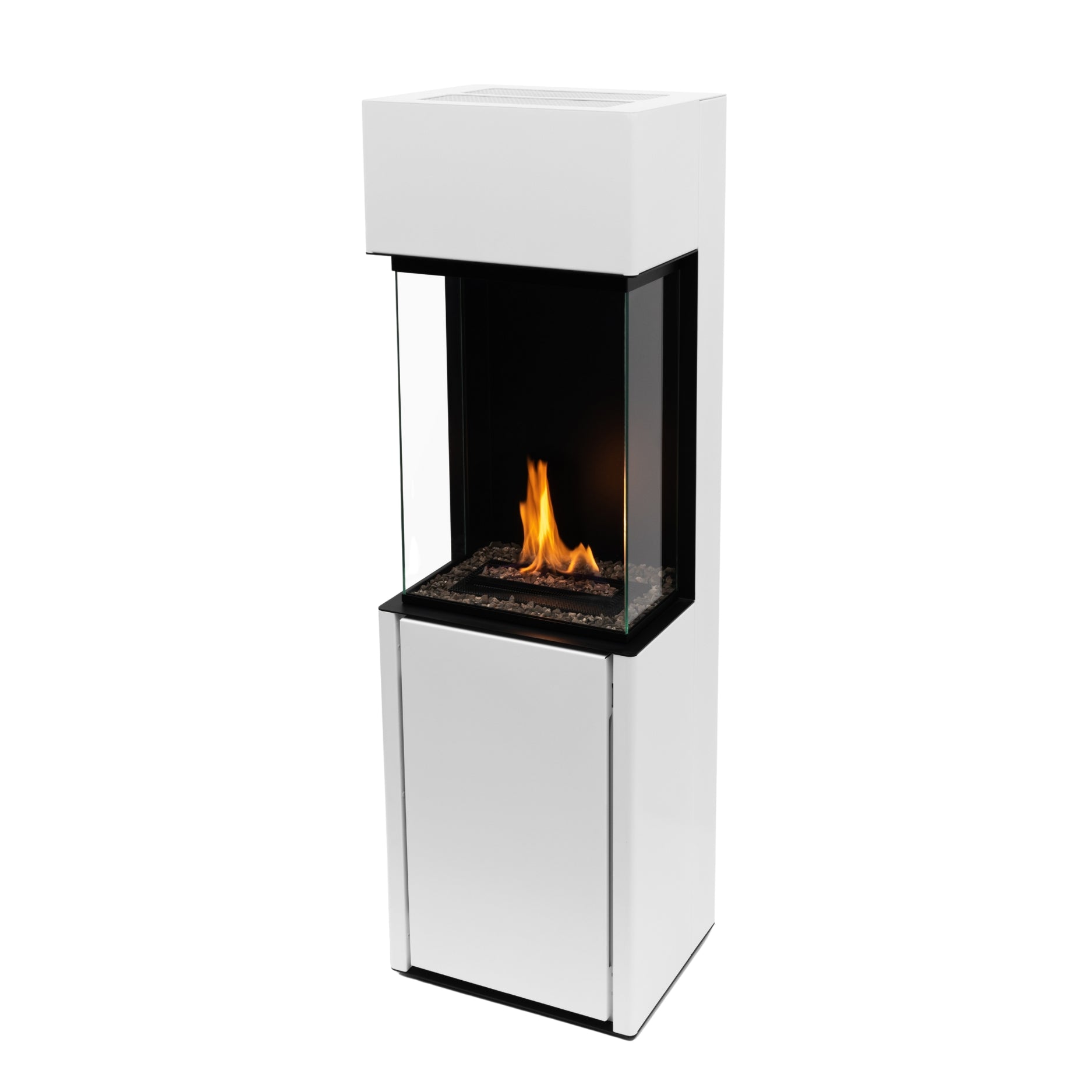
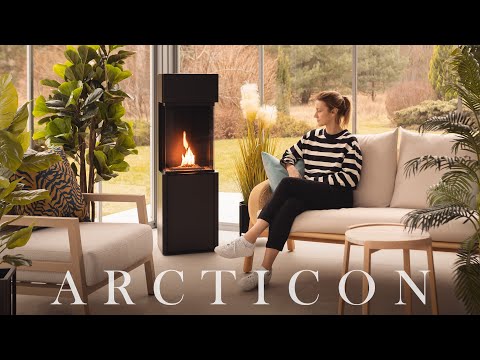
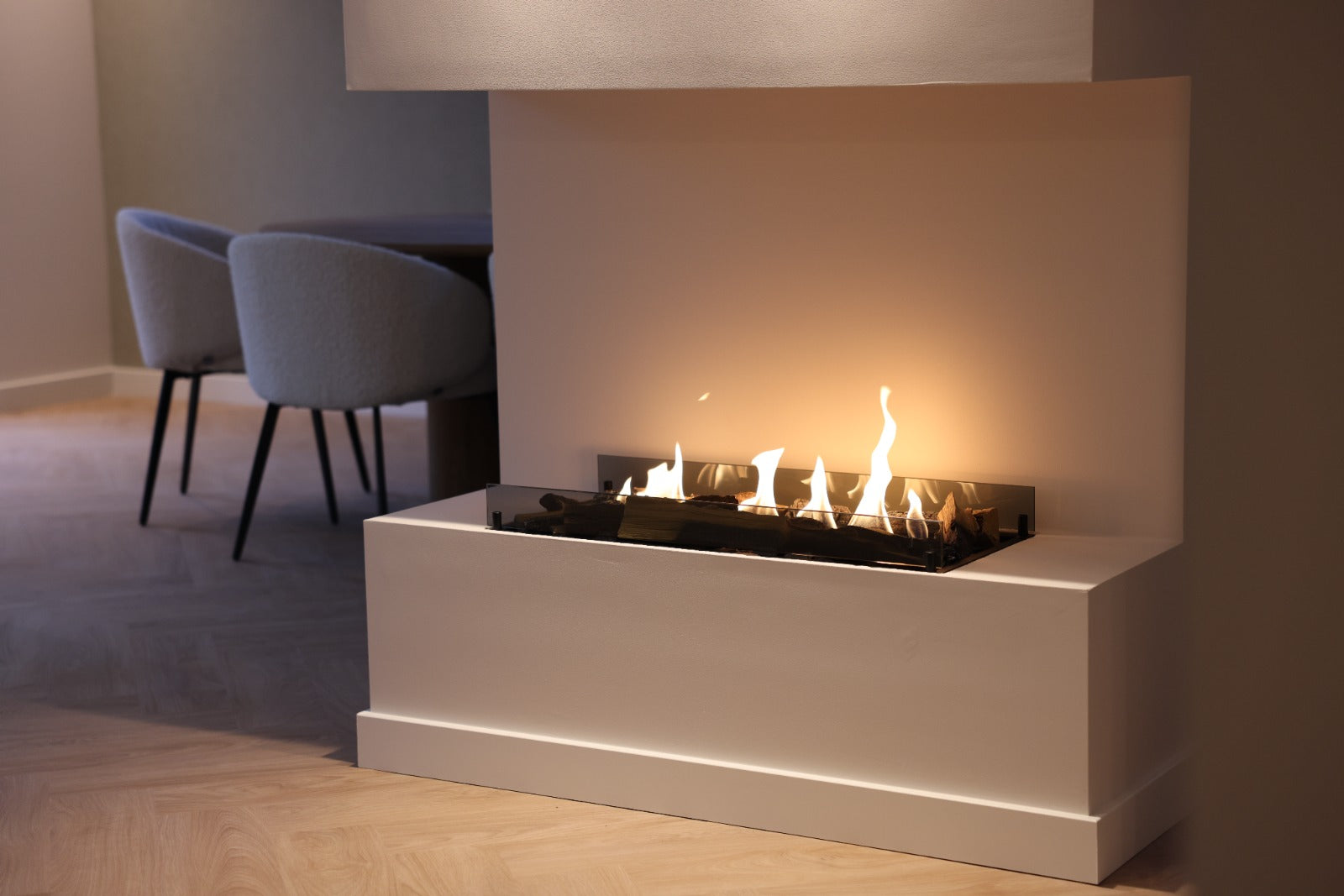
A bio-ethanol fireplace is becoming increasingly popular. These atmospheric additions create a beautiful flame display of real fire and can be placed almost anywhere because no flue is needed. But how environmentally friendly is bio-ethanol as a fuel, and what do you need to consider?
What exactly is bio-ethanol?
Bio-ethanol is a flammable liquid that ignites easily and produces real flames. It is a renewable energy source produced by fermenting the sugar and starch components of plant by-products. Think of crops such as sugarcane, corn, and grain.
The ethanol produced from this is used for various purposes: as an additive in fuels, in the pharmaceutical industry, and increasingly as fuel for fireplaces.
High-quality bio-ethanol burns longer, produces a higher and more beautiful flame, and ensures your fireplace functions odorlessly.
Bio-ethanol: 96.6% versus 100%
There are different purity percentages:
-
96.6% bio-ethanol – This is suitable for all bio-ethanol fireplaces and ensures safe and stable combustion.
- 100% bio-ethanol – This is not recommended, as the fuel burns too hot and can cause damage to the burner or fireplace. Moreover, some fireplaces, such as automatic bio-ethanol burners, do not work well with 100% bio-ethanol. The sensors in these fireplaces detect impurity particles in the fuel, and in completely pure bio-ethanol, these are absent, meaning the fireplace simply won't function.

Is bio-ethanol environmentally friendly?
When bio-ethanol with a high purity content is burned, only water vapor and a small amount of CO₂ are released. No harmful substances such as soot, sulfur, or particulate matter are produced. This makes bio-ethanol an environmentally friendly choice for indoor heating.
Important considerations:
-
Oxygen consumption – Like any fireplace, a bio-ethanol fireplace extracts oxygen from the room. Therefore, ensure adequate ventilation.
- Food production – A portion of the raw materials for bio-ethanol comes from agricultural crops that could also be used for food production. This point is often mentioned in sustainability discussions. However, residual materials are increasingly being used, reducing this effect.
Does a bio-ethanol fireplace produce an odor?
Many customers ask if a bio-ethanol fireplace emits an odor. The answer: when using high-quality bio-ethanol, combustion is virtually odorless. Some people experience nothing at all, while others notice a slight odor when turning the fireplace on or off. Good ventilation remains important for a healthy living space.
Conclusion: sustainable and atmospheric
Bio-ethanol is an environmentally friendly fuel because it is renewable, burns cleanly, and does not require a flue. It offers the ambiance of real fire with less environmental impact than traditional fuels. Always choose high-quality bio-ethanol fuel and ensure adequate ventilation in the room.
Buy high-quality fuel, see our Bio-ethanol here
Do you want an eco-friendly fireplace that produces real flames without the hassle of flues? Discover our range of bio-ethanol fireplaces.